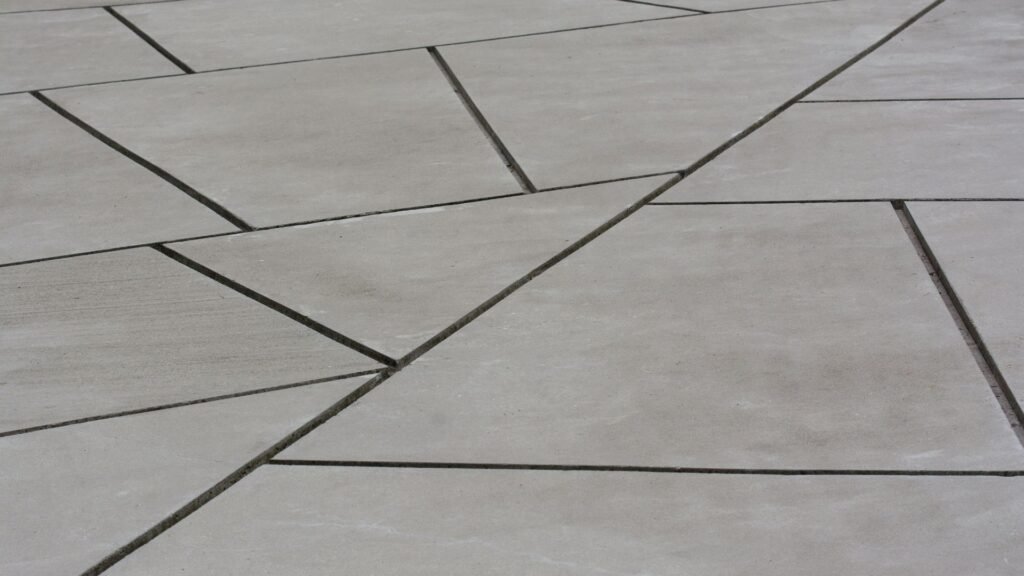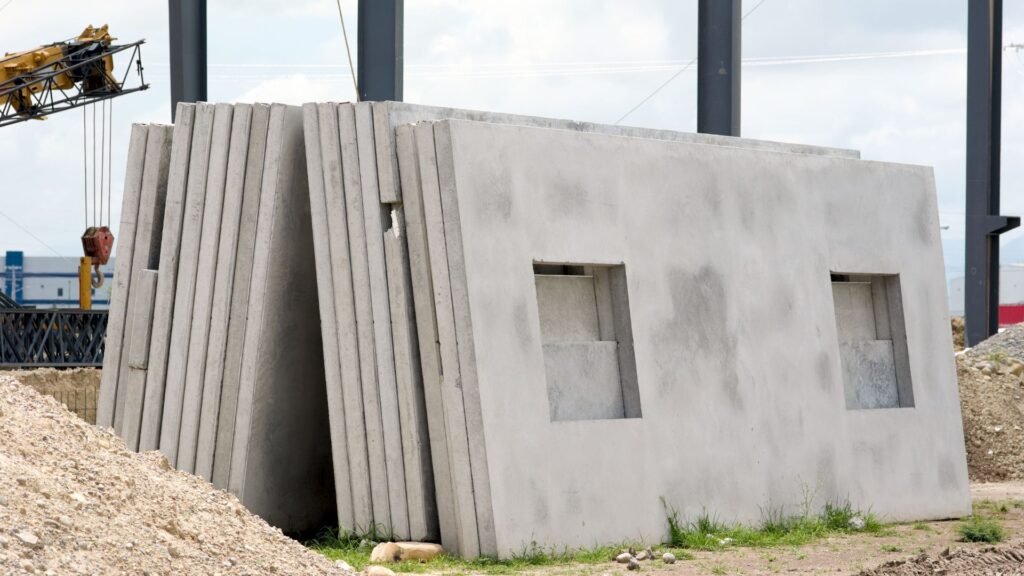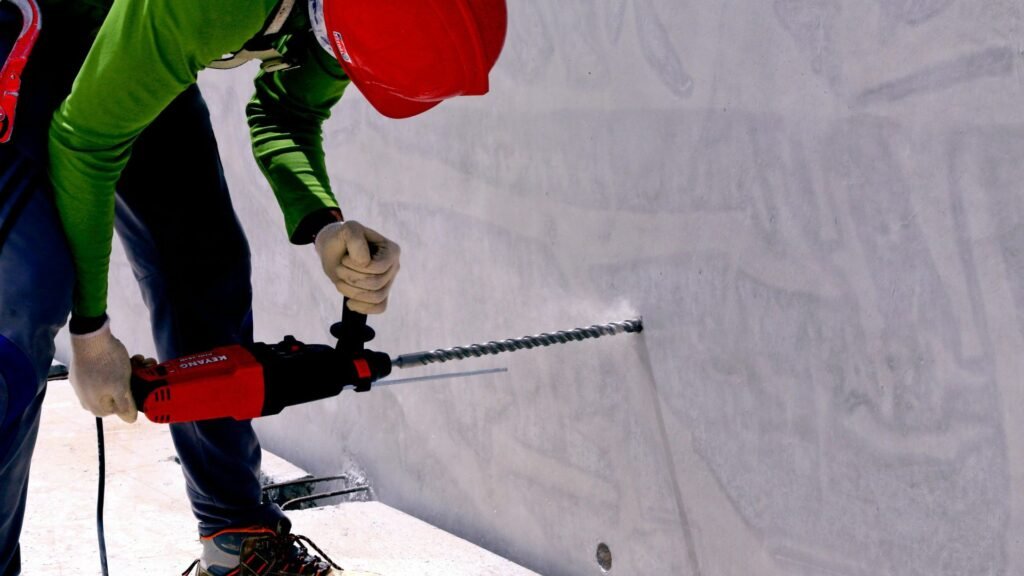
Welcome to our guide on the cost of 1m³ of concrete in New Zealand, where we break down everything you need to know in simple terms. Concrete is one of the most common building materials used across the country for driveways, patios, house foundations, and countless other projects, but many people planning a job for the first time often wonder how much it will actually cost per cubic metre. The truth is that prices can vary depending on where you live, the type of concrete you need, and how it’s delivered, which can make budgeting a bit tricky. In this article, we’ll walk you through average costs, key factors that influence pricing, and some practical tips to help you save money, so by the end, you’ll have a clear idea of what to expect before ordering your concrete.
The cost of 1m³ of concrete in New Zealand typically ranges from $250 to $350, depending on the mix type, supplier, and location. Ready-mix concrete is the most common option, and prices may increase if you need small load deliveries, speciality mixes, or if your site has difficult access.
Table of Contents
What Is 1m³ Of Concrete?
When people talk about the cost of concrete in New Zealand, they often refer to it in cubic metres. A cubic metre, written as 1m³, is simply a cube that measures one metre in length, one metre in width, and one metre in height. In practical terms, it is a way of measuring volume, not weight, and it helps homeowners and contractors know exactly how much concrete they will need for a job.
To make this easier to understand, imagine a standard driveway section. A slab that measures 5 metres long, 2 metres wide, and 0.1 metres thick would equal 1m³ of concrete. Another way to picture it is filling a small garden shed floor with concrete—the amount needed is roughly the same. These simple examples help put the measurement into perspective for anyone who is not used to working with building materials.
Concrete in New Zealand is usually measured and ordered in cubic metres because it allows suppliers to calculate both the mix and the delivery requirements. When you contact a ready-mix company, they will ask for the total volume of concrete needed, which ensures that the right amount is prepared and delivered to your site. Ordering too little can delay a project, while ordering too much can lead to unnecessary costs, so accuracy in measuring is key.
The reason 1m³ has become the standard pricing unit in New Zealand is that it provides a clear and consistent benchmark for buyers and suppliers. Since projects vary in size, quoting by the cubic metre makes it easy to compare prices across different suppliers and regions. It also simplifies the process of estimating total costs when planning anything from small patios to large foundations.
By understanding what 1m³ of concrete means, you can make smarter decisions when budgeting for your project. Having this basic knowledge ensures you order the right amount, avoid extra charges, and communicate more effectively with your supplier.
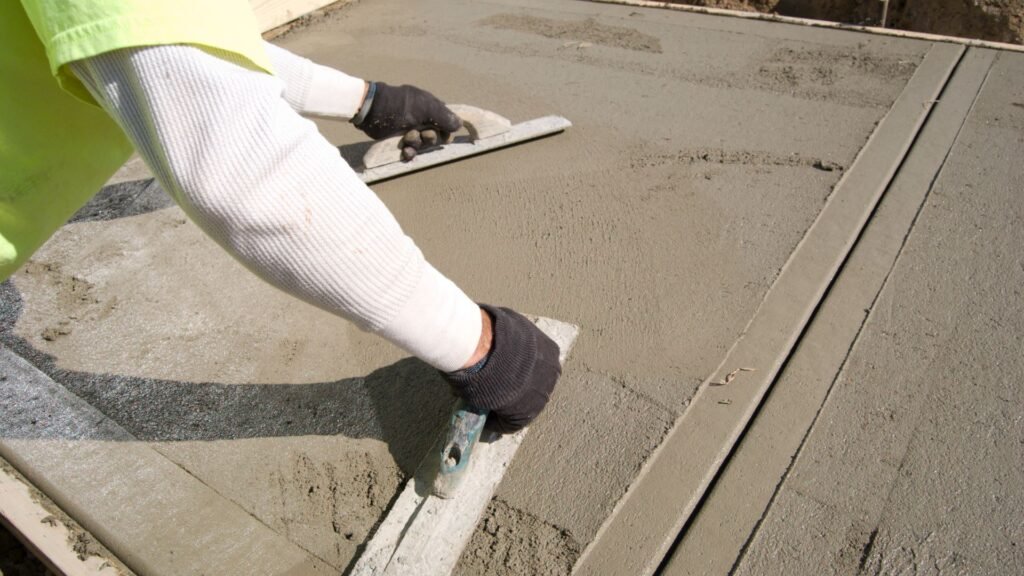
Average Cost Of 1m³ Of Concrete In NZ
Current Price Range In New Zealand
The average cost of 1m³ of concrete in New Zealand usually falls between $250 and $350. This estimate covers standard ready-mix concrete, which is the most commonly used option for driveways, patios, foundations, and general construction. The exact figure can change based on the supplier, the type of mix you order, and delivery requirements.
Regional Price Differences
Location is one of the biggest factors affecting cost. In Auckland, concrete tends to be on the higher end of the scale due to demand, transport costs, and urban market conditions. Christchurch often sees slightly more affordable rates, though delivery costs can add up depending on how close your project is to batching plants. In smaller towns and rural areas, the base cost may be lower, but long delivery distances usually result in higher transport fees that push up the total price.
Factors Influencing Base Cost
Several elements can affect the final cost of 1m³ of concrete:
- Ready-mix vs site-mixed: Ready-mix is generally more expensive but ensures consistency and strength, making it the preferred choice for most projects.
- Type of concrete: Standard mixes are the cheapest, while reinforced, high-strength, coloured, or exposed aggregate concretes will increase the cost per cubic metre.
- Supplier and delivery fees: Each supplier sets their own pricing structure, and delivery charges vary depending on load size, site access, and timing. Small loads and weekend deliveries usually come with extra fees.
Knowing the average cost of 1m³ of concrete in NZ, along with regional variations and influencing factors, gives you a clear picture of what to expect when planning your project. This knowledge allows you to compare quotes with confidence and budget more effectively.
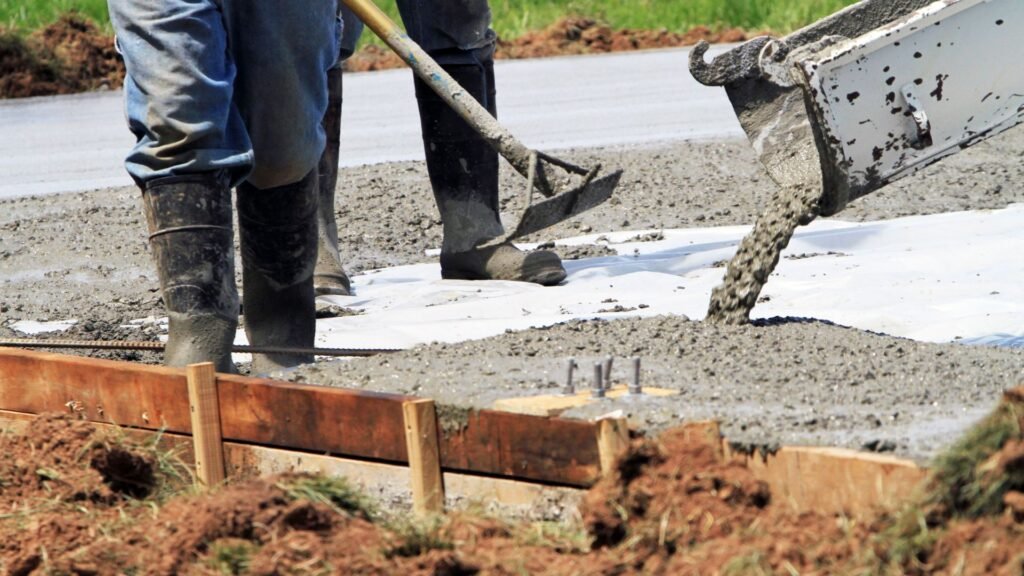
Factors That Influence Price
When calculating the cost of 1m³ of concrete in New Zealand, it’s important to understand that several elements can push the final price up or down. Knowing these factors not only helps you plan your budget but also ensures you make informed decisions for your project.
Concrete Type And Strength
The type of concrete you choose plays a major role in determining the cost. Standard ready-mix concrete is often the most affordable option for general residential work such as patios or paths. High-strength concrete, which is designed to support heavier loads or provide extra durability, usually comes at a higher price. Decorative choices such as exposed aggregate or coloured concrete also increase the cost because of the extra processing and materials involved.
Volume Ordered
How much concrete you order directly affects the price per cubic metre. Larger orders tend to be cheaper per unit because suppliers often offer bulk discounts. Smaller orders, on the other hand, can be more expensive. This is because of small load surcharges, which cover the supplier’s transport and handling costs for delivering a partially filled truck.
Delivery Costs
Delivery charges are another key factor to consider. The distance between the supplier and your site will influence the total price, as longer trips require more fuel and driver time. Difficult site access, such as narrow driveways or steep sections, can also add extra charges. If you need delivery outside of regular business hours or during weekends, expect higher fees as well.
Labour And Site Preparation
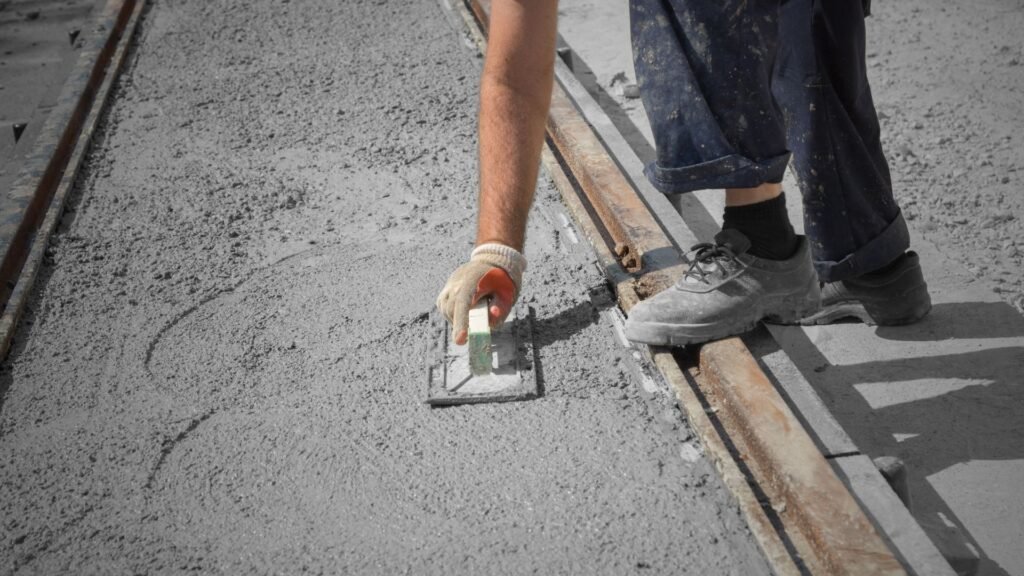
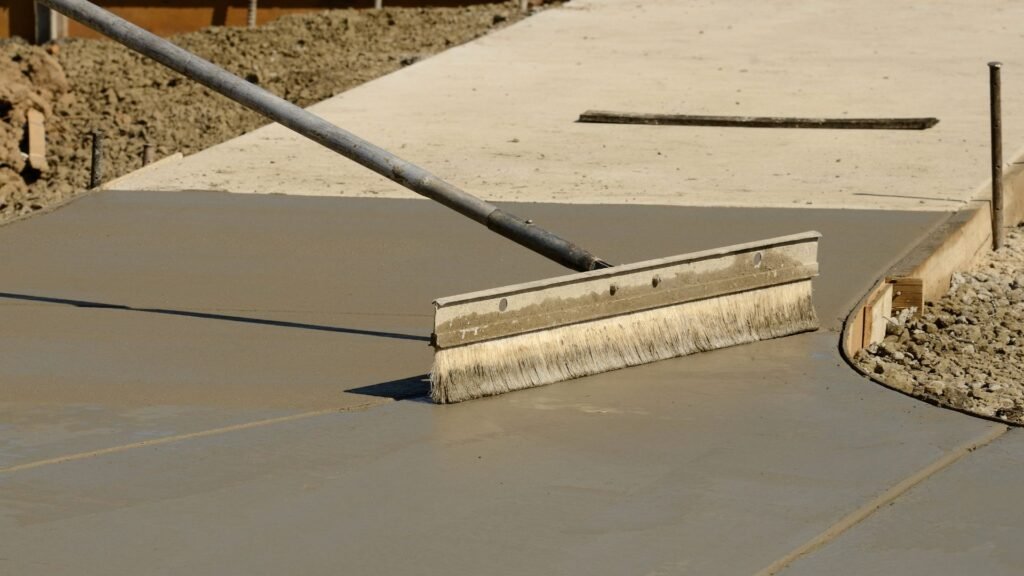
Concrete costs do not stop at the material itself. Labour and preparation play a large part in the overall price. Pouring, levelling, and finishing concrete require skilled workers and the right equipment. If the ground needs significant preparation, such as excavation or the removal of old surfaces, the costs can rise quickly. Choosing professional labour ensures a smooth finish, but it also adds to the project’s total expenses.
Additional Materials
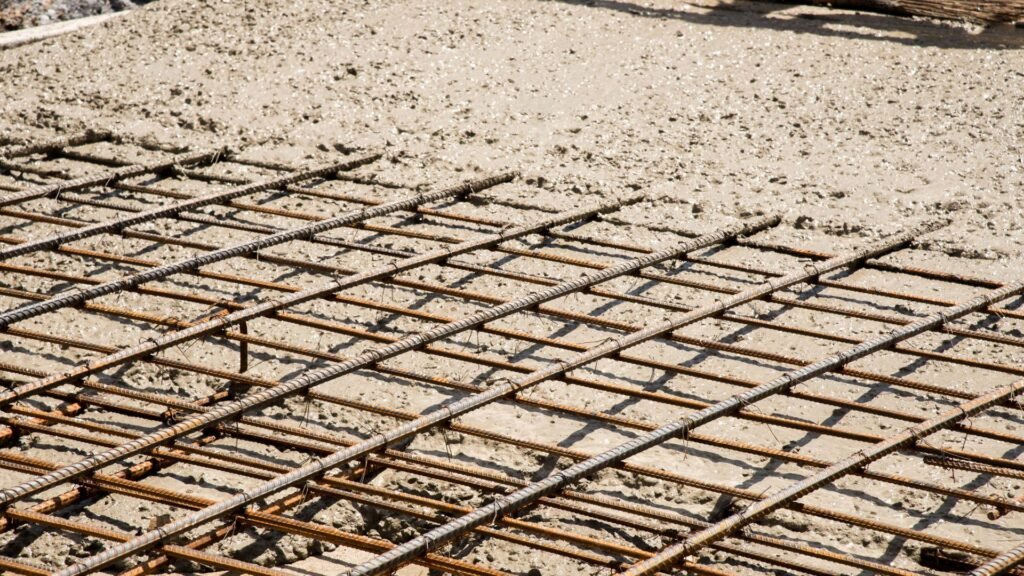
Many projects require more than just concrete. Reinforcing steel is often added for structural support, especially in driveways, foundations, and commercial builds. Other additives, such as waterproofing agents or plasticisers, can also influence the final cost. These extras improve durability and performance but come with an added price tag.
Concrete prices are never one-size-fits-all. By understanding the key factors that affect cost, from the type of concrete to delivery and labour, you can better plan your project and avoid unexpected expenses.

Example Cost Scenarios
When planning a concrete project, it helps to look at real-world examples. Concrete prices are usually charged per cubic metre, so the overall cost depends on the size of the project, the type of concrete used, and the delivery requirements. Below are three common scenarios in New Zealand that give you a clear idea of what to expect when budgeting.
- Small DIY Patio Project (2–3m³): For a small backyard patio or garden area, you might only need 2 to 3 cubic metres of concrete. With prices averaging between $250 and $350 per cubic metre, the total cost can range from $500 to just over $1,000. Keep in mind that if the supplier considers your order a small load, you may be charged an additional fee, which can add $100 or more to the final price. This option is ideal for homeowners who want a quick DIY upgrade to their outdoor space.
- Average Driveway (10–15m³): A standard driveway usually requires more concrete, often between 10 and 15 cubic metres, depending on the length, width, and thickness. At an estimated $250 to $350 per cubic metre, the total cost will likely fall between $2,500 and $5,250. Delivery charges may also apply, especially if the property has limited access. For most homeowners, this type of project is best handled by professionals who have the equipment and skills to pour and finish large areas properly.
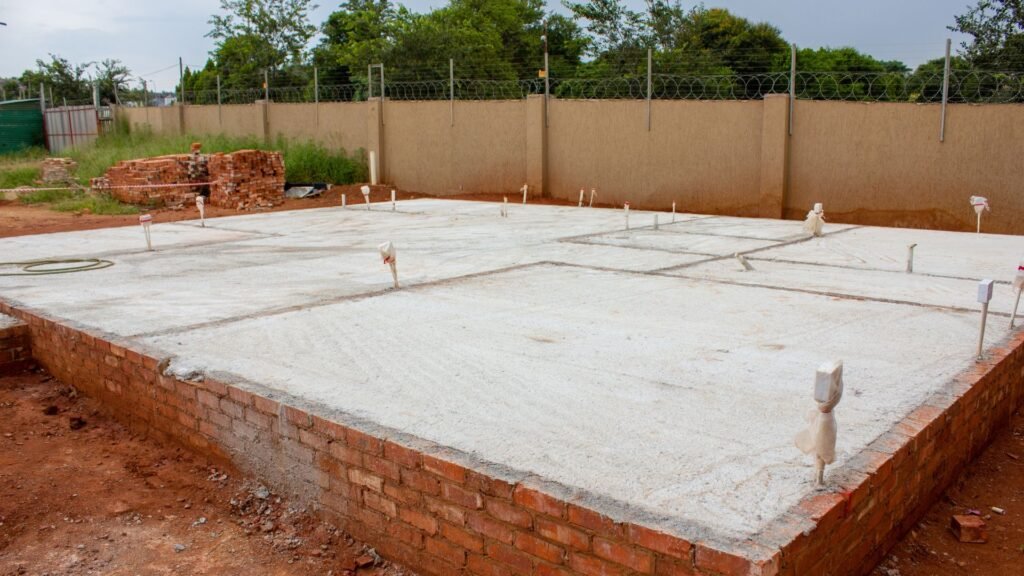
- House Foundation (30m³+): Building a house foundation requires a significant volume of concrete, often starting at 30 cubic metres or more. At the same price range per cubic metre, you can expect to pay between $7,500 and $10,500, not including reinforcement materials like steel mesh or additional labour costs. Foundations are a critical structural element, so they usually require specialty mixes and strict building standards, which can increase the overall price further.
Concrete projects in New Zealand vary widely in cost, but these examples give you a realistic idea of what to budget for. Whether you are pouring a small patio or laying the base of a new home, understanding the average cost ranges will help you make informed decisions and avoid unexpected expenses.
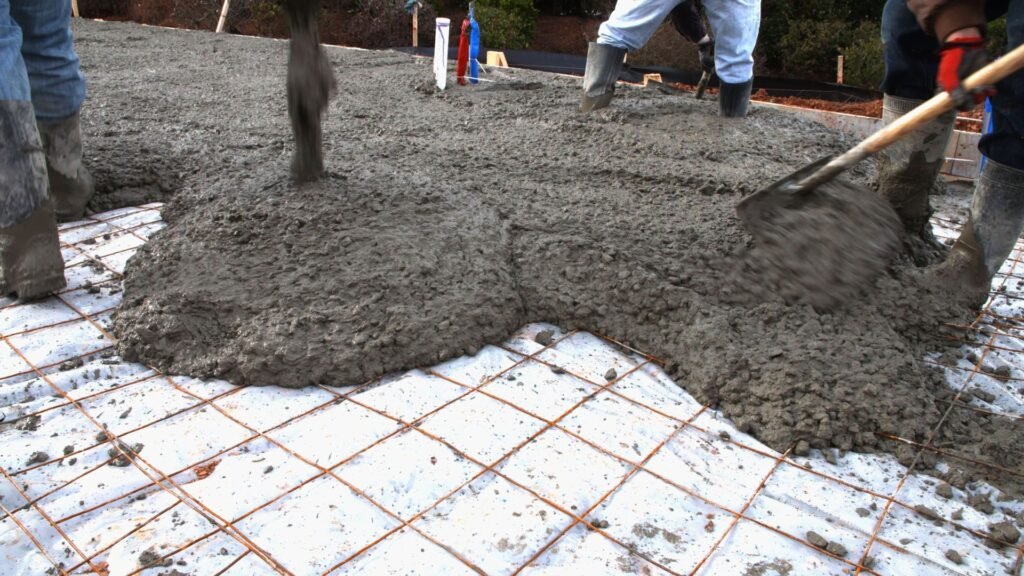
How To Save Money On Concrete Costs
Concrete is a significant investment, whether you are building a new driveway, patio, or foundation. While quality should always be a priority, there are several practical ways to keep costs under control without sacrificing durability or performance. Here are the most effective methods to reduce expenses when buying concrete in New Zealand:
- Order the right amount: One of the most common mistakes homeowners make is over-ordering or under-ordering concrete. Ordering too much leads to waste and unnecessary costs, while ordering too little requires a second delivery that comes with extra fees. Always measure your project area carefully, calculate the required volume, and double-check with your supplier to ensure accuracy.
- Combine orders with neighbours: If you or your neighbours are planning projects around the same time, consider placing a combined order. Sharing delivery costs lowers expenses for everyone involved. Since delivery fees can quickly add up, splitting them across multiple households is an effective way to reduce the per-cubic-metre price.
- Choose standard mixes unless speciality concrete is needed: Speciality concretes such as coloured, exposed aggregate, or high-strength mixes are useful for specific projects, but they come with higher price tags. If your project does not require advanced properties, stick to standard ready-mix. This option offers the durability most residential projects need at a more affordable rate.
- Prepare site in advance to reduce labour hours: Labour costs can add up quickly if the site is not properly prepared. Make sure the area is cleared, levelled, and ready for pouring before the concrete truck arrives. The more efficient the process, the less you will pay in hourly charges for workers and equipment.
- Compare local suppliers and request multiple quotes: Prices vary across suppliers, and some may offer better rates depending on your region. Request at least three quotes to compare costs, delivery fees, and terms. This simple step can reveal significant price differences and help you choose the best value option.
Taking the time to plan ahead, measure carefully, and compare suppliers can make a noticeable difference in how much you spend on concrete. By applying these strategies, you can keep your project within budget while still achieving the durability and finish you need.
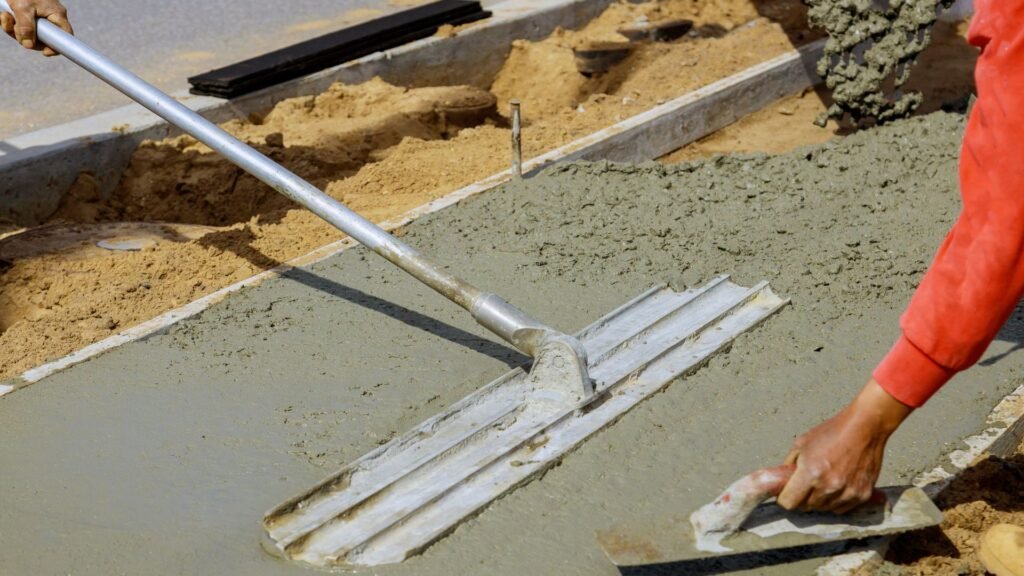
DIY Vs Hiring Professionals
When it comes to concrete work, many homeowners in New Zealand ask the same question: should I pour the concrete myself or hire a professional? The answer depends on your budget, the size of your project, and the level of quality you want to achieve.
- Cost comparison between DIY and professional jobs: Mixing and pouring concrete on your own can appear cheaper at first. You avoid labour charges, and you only need to pay for materials, tools, and possible equipment hire. For small projects like a garden path or a small patio, this can save you several hundred dollars. On the other hand, professional concrete services often charge more because they cover labour, expertise, machinery, and guarantees of quality. For larger projects such as driveways or house foundations, professional work can range into the thousands, but it comes with fewer risks and better long-term durability.
- Risks of DIY: While DIY concrete work might save money upfront, the risks are significant. Poor mixing can weaken the concrete, leading to cracks and reduced lifespan. Incorrect pouring or levelling can result in uneven surfaces that are difficult to fix later. Wasted material is also common when measurements are inaccurate, which can erase any cost savings you were aiming for. These issues often lead to additional expenses in repairs or replacement.
- When to hire experts: Professional help is strongly recommended for structural projects such as house foundations, retaining walls, or large driveways. These projects require precise calculations, proper reinforcement, and a high-quality finish that most homeowners cannot achieve without training and experience. Professionals also bring the right equipment, making large pours faster and more reliable.
- When DIY makes sense: Small, non-structural projects can be a good opportunity to try DIY. A garden stepping stone path, a small shed floor, or minor landscaping features are usually safe to attempt. These projects require less concrete, carry fewer risks, and allow homeowners to learn without risking expensive damage.
Choosing between DIY and hiring a professional ultimately comes down to weighing your budget against the risks and the importance of the project. For large, critical work, hiring experts is the safer and more reliable choice, while smaller projects can give you room to save money and gain experience.
Looking to plan your next concrete project with confidence? Get clear pricing, expert advice, and reliable service—visit our homepage to start your project the right way.
FAQs: About Cost Of 1m³ Concrete In NZ
What is the average cost of 1m³ of concrete in NZ?
The average cost of 1m³ of concrete in New Zealand ranges from $250 to $350. Prices vary depending on location, supplier, concrete type, and delivery fees.
Does the price of concrete change depending on the region?
Yes, concrete prices can differ between regions. Major cities like Auckland and Wellington may have higher costs due to demand and transport, while smaller towns may be slightly cheaper.
Can I buy less than 1m³ of concrete?
Most suppliers sell in cubic metres, but some may offer small load deliveries for projects under 1m³. Keep in mind that small load fees often apply.
What types of concrete affect the cost per cubic metre?
Standard ready-mix is usually the most affordable. Specialty mixes like exposed aggregate, coloured concrete, or high-strength concrete will increase the price per cubic metre.
How much does it cost to have concrete delivered?
Delivery fees usually range from $50 to $150 depending on distance, truck access, and time of day. Small load surcharges may also apply.
How much concrete do I need for a driveway?
A standard driveway may require 10 to 15m³ of concrete, depending on its size and thickness. At $250–$350 per cubic metre, the total cost can range from $2,500 to $5,250.
How long does it take for concrete to set in NZ conditions?
Concrete usually sets enough to walk on within 24 hours and is ready for light use in about 48 hours. Full curing can take up to 28 days for maximum strength.
Is it cheaper to mix concrete myself instead of buying ready-mix?
DIY mixing can be cheaper for very small jobs, but it’s time-consuming and requires equipment. Ready-mix is more consistent and cost-effective for larger projects.
Can I save money by ordering in bulk?
Yes, ordering larger volumes of concrete can reduce the cost per cubic metre. Small jobs often cost more due to delivery and handling fees.
What should I do before ordering concrete?
Measure your project carefully, prepare the site, and compare quotes from local suppliers. This helps avoid over-ordering and ensures you get the best price.
Conclusion
The cost of 1m³ of concrete in New Zealand generally falls between $250 and $350, with the final price depending on factors such as the type of concrete mix, the volume required, delivery distance, and whether additional materials like reinforcement are needed. Since these variables can change significantly based on your location and project size, the best way to get an accurate figure is to request quotes from several local suppliers and compare what they offer. Taking the time to understand these costs upfront allows you to create a more realistic budget, avoid unexpected expenses, and make informed decisions for your project. By planning ahead and knowing what to expect, you can ensure your concrete work is completed smoothly and without financial surprises.